


Mastering the Software-Defined Fleet at the Digital Frontier of Transportation
Key Insights
- Sustainable transportation technology
- AI fleet management
- Connected fleet ecosystems
- Transportation digital transformation
- Predictive fleet analytics
- Smart logistics infrastructure
- Software-defined fleet
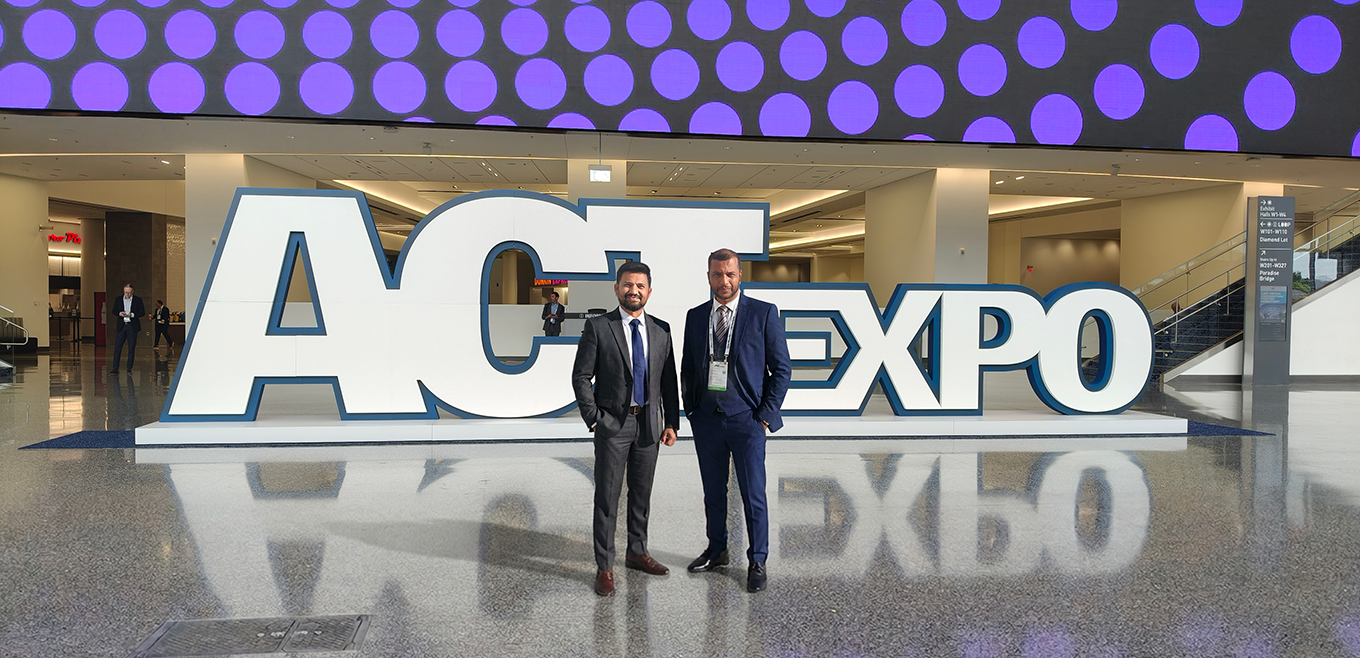
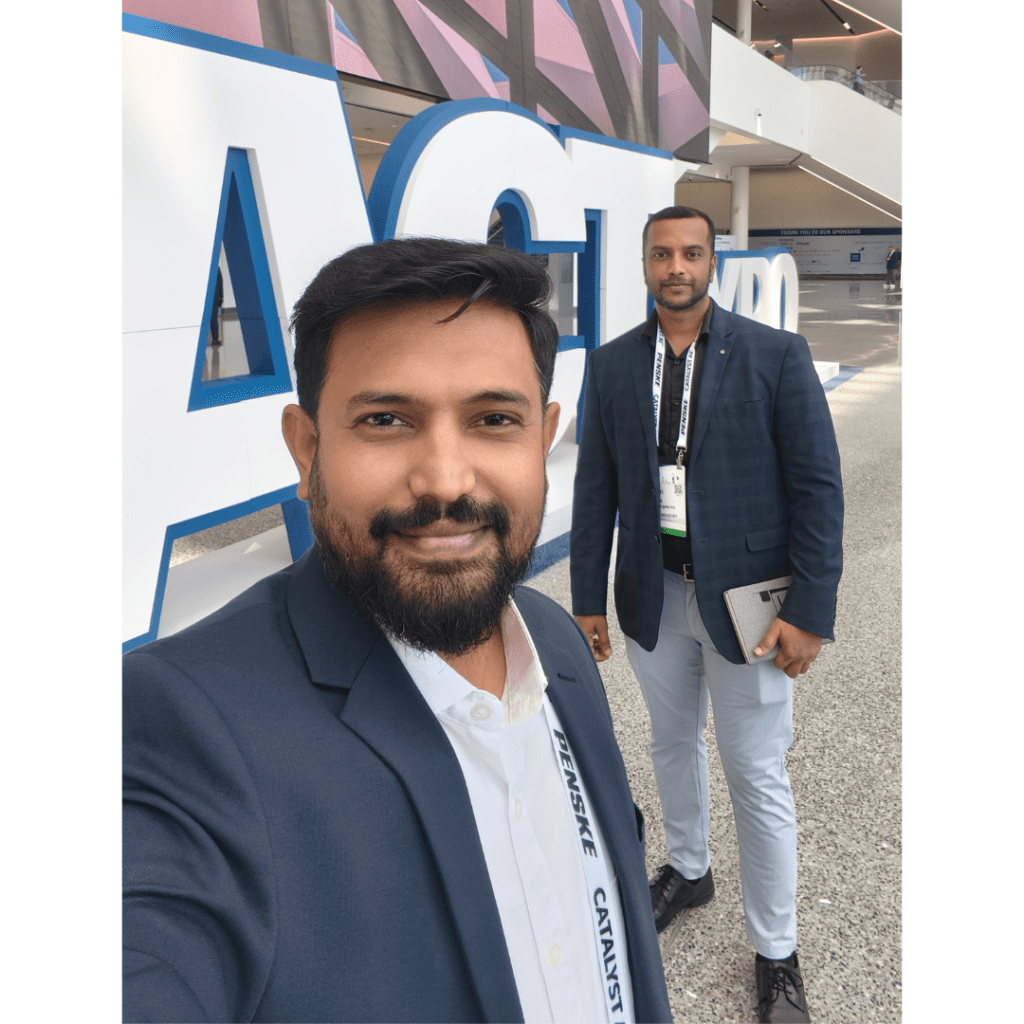
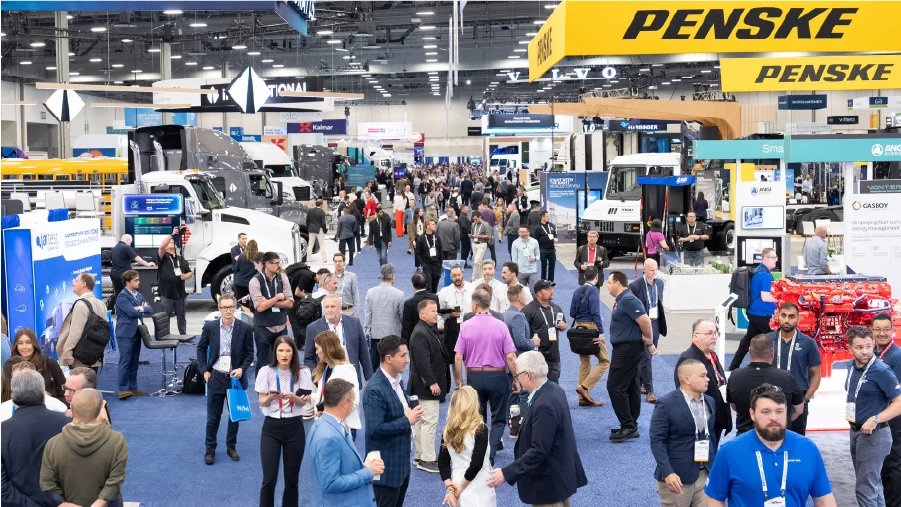
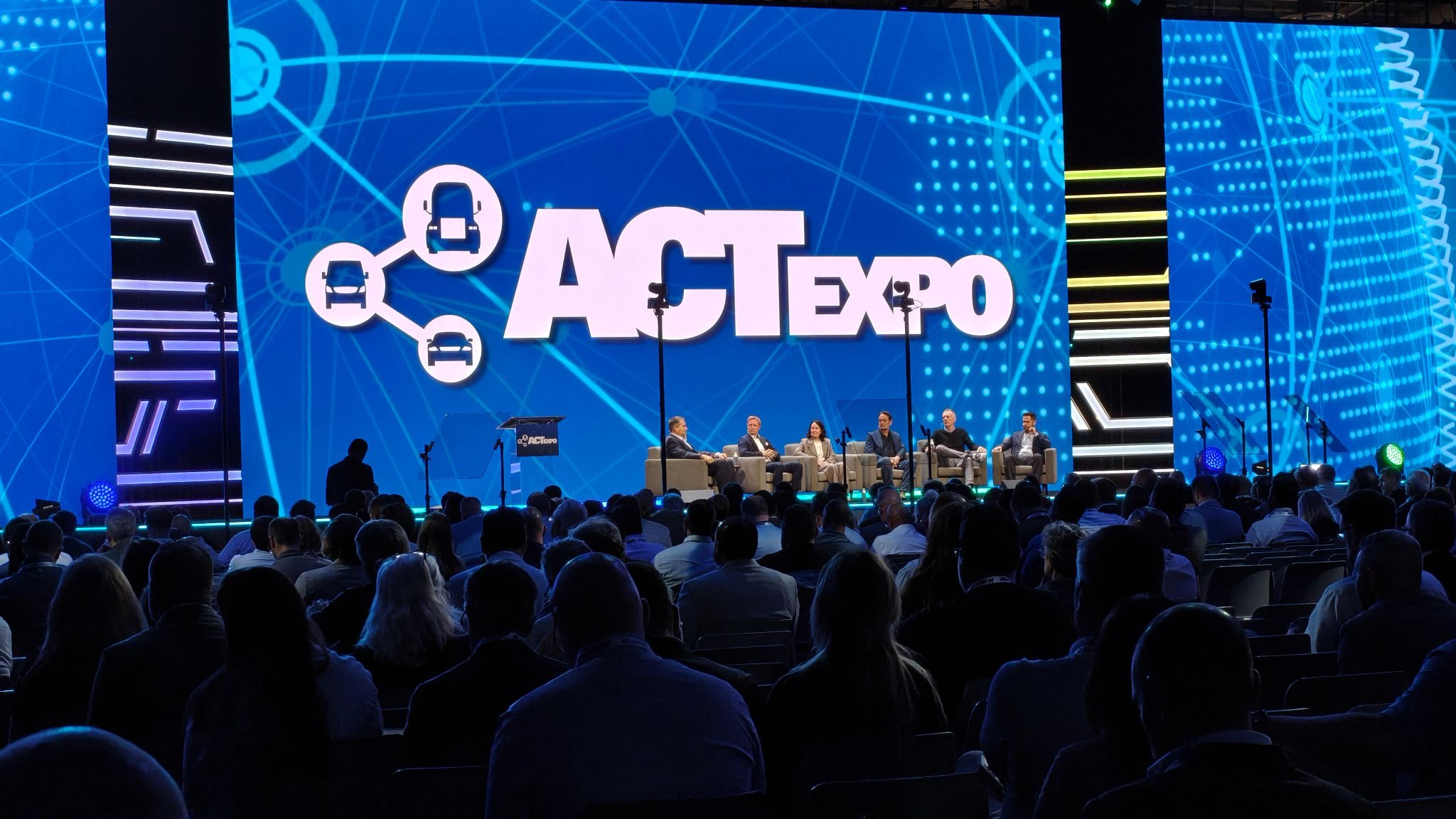
ACT Expo 2026 reinforced how rapidly transportation ecosystems are evolving toward AI-driven operational intelligence. The ACT Expo 2026 took place from May 4th to 7th, 2026, at the Las Vegas Convention Center. People10 was represented by Shiva Kumar (Director – Sales) and Dhaval Ladva (Senior Business Development Manager), who engaged with transportation and fleet leaders across the event floor to examine how the industry is navigating its most significant technology transition to date.
The transition to clean energy has evolved far beyond simply adopting alternative fuels. At ACT Expo 2026, it became clear that the “Digital Frontier”, encompassing software-defined vehicles and real-time data connectivity, is now the primary driver of ROI in sustainable transportation.
Key Trends Observed at ACT Expo 2026
- Intelligent fleet systems for energy optimization and predictive maintenance
- Real-time data connectivity is the core differentiator in sustainable fleet ROI
- V2X connectivity and grid-integrated EV fleet management
- Diversified clean powertrain portfolios matched to specific duty cycles
- Data connectivity is the core differentiator in sustainable fleet ROI
AI and Autonomous Integration
While hydrogen and electric powertrains provide the foundation, AI is now the architect of the fleet. We are seeing a massive influx of AI fleet management tools designed to optimize energy consumption and predictive maintenance across mixed-fuel and electric fleets alike.
“AI adoption in fleet management is accelerating, and the data backs it up. According to McKinsey, predictive maintenance can reduce fleet downtime by 30–50% while lowering maintenance costs by 10–40%. Organizations deploying these platforms are reporting measurable reductions in total cost of ownership across mixed-fuel and electric fleets alike.”
PEOPLE10 PERSPECTIVE
What our team observed across fleet technology exhibitors: The most significant implementation barrier is not hardware readiness; it is the integration of AI platforms with existing fleet management systems and enterprise data infrastructure. Closing that integration gap is where measurable ROI is being unlocked. Many organizations are piloting intelligent tools in isolation, without the unified data architecture needed to generate actionable intelligence across the full fleet lifecycle. Closing that integration gap is where measurable ROI is being unlocked.
The Infrastructure of Data
As highlighted in this year’s “State of Sustainable Fleets” briefing, charging infrastructure is only half the battle. The other half is data connectivity. Software platforms that manage grid demand and vehicle-to-everything (V2X) communication are becoming the foundation of smart logistics infrastructure, essential for any enterprise serious about EV fleet management at scale.
WHY IT MATTERS
Across conversations at ACT Expo, a consistent operational gap emerged: enterprises have invested in EV infrastructure, but many lack the software layer needed to dynamically manage grid demand, optimize charging schedules, and feed real-time vehicle data back into enterprise planning systems. Building that connectivity layer, between the vehicle, the grid, and the business, is now a critical step in any serious fleet electrification strategy.
Diversified Clean Powertrains
Fleet leaders are now building hybrid portfolios that match specific duty cycles with the most efficient fuel source. This strategy is a cornerstone of successful transportation digital transformation.
INDUSTRY INSIGHT
The shift toward diversified powertrain portfolios reflects a broader strategic maturity in fleet management; organizations are moving away from single-fuel mandates toward data-driven fuel selection frameworks. People10 sees this as a signal that fleet digitalization is no longer about adopting individual technologies, but about building the intelligence infrastructure that enables enterprises to optimize across an increasingly complex operational environment.
Moving Forward
The primary takeaway from ACT Expo 2026 is that sustainability and digitalization are now inseparable. The industry conversation has decisively shifted from purely alternative fuels to the mastery of the software-defined fleet, and the enterprises leading that shift are those investing in the connectivity infrastructure, intelligent platforms, and integration frameworks that convert fleet performance into measurable business value.
“For enterprises looking to lead the market, the goal is no longer cleaner fuel; it is an intelligent transportation ecosystem where data continuously optimizes every vehicle, every route, and every energy decision.”
Work with People10
People10 helps transportation and logistics organizations modernize fleet operations through AI-enabled platforms, predictive analytics, and scalable digital ecosystems. As the industry accelerates toward software-defined, data-connected fleets, our team is focused on translating ACT Expo insights into actionable transformation strategies that drive measurable business value.